In the world of modern web development, whenever we think about Backend-as-a-Service (BaaS), the first name that usually comes to mind is Firebase. For years, Firebase has dominated this space.
However, that trend is changing fast.
Today, more and more developers are shifting towards Supabase, often called
“The Open Source Firebase Alternative.”
But why is this shift happening?
Why did I personally choose Supabase over traditional databases or even Firebase for my projects?
In this blog, I’ll walk you through everything you need to know.
What is Supabase and Why Is It Special?
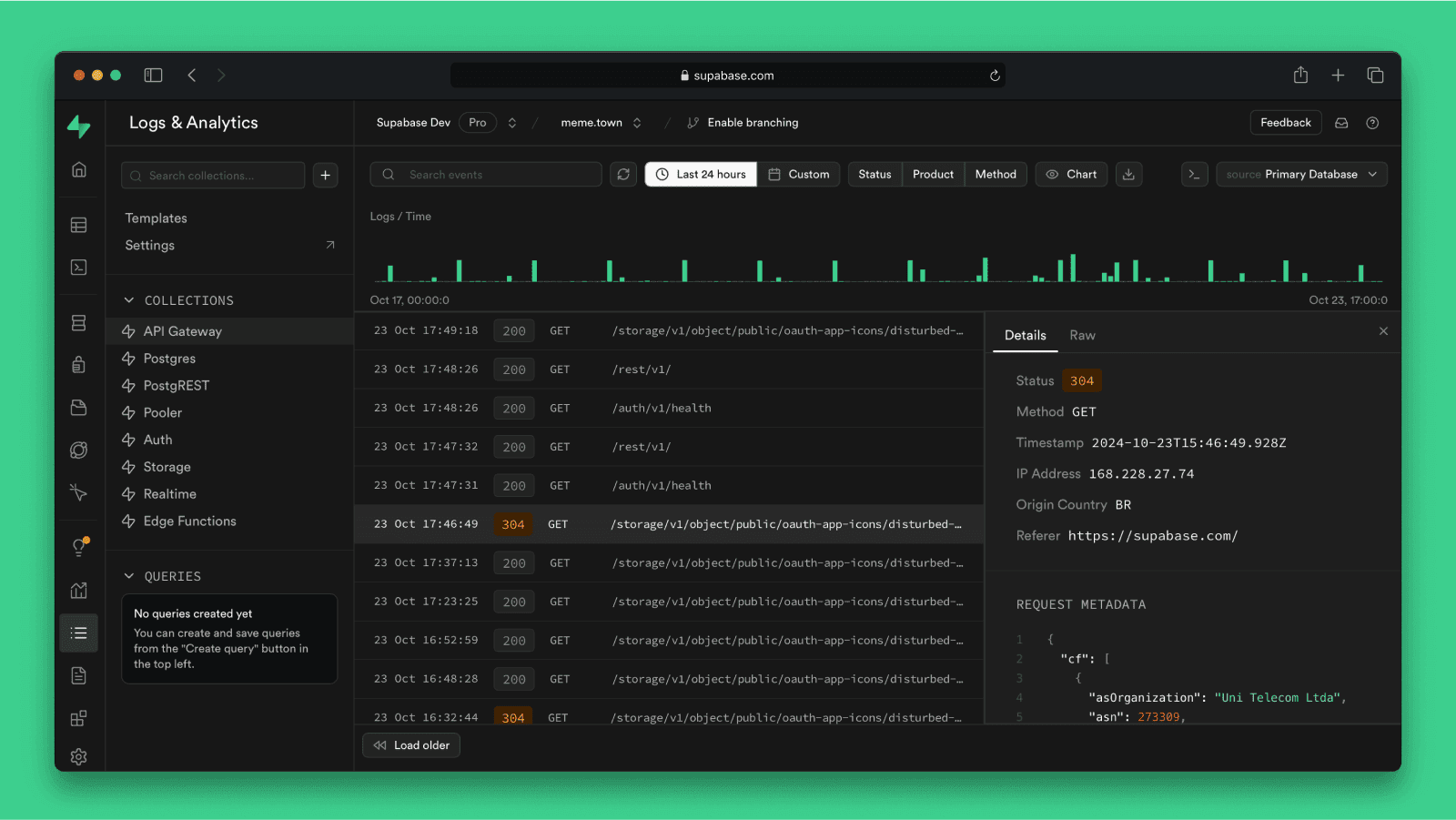
Supabase is an open-source platform that helps you build a full-stack backend extremely fast.
The interesting part? Supabase is not a new database.
It is built on top of PostgreSQL, one of the most powerful, reliable, and battle-tested relational databases in the world.
Supabase takes the raw power of PostgreSQL and adds all the modern backend features developers love—out of the box.
Why Choose Supabase Over Traditional Databases?
Managing a traditional database can be time-consuming:
Setting up hosting
Writing APIs manually
Handling authentication
Ensuring security
Before you know it, you’ve spent more time on backend setup than actual product development.
Supabase simplifies all of this with a one-click backend solution.
Key Reasons Developers Love Supabase
PostgreSQL Power
Unlike Firebase’s NoSQL limitations, Supabase gives you full SQL capabilities.
Complex queries, joins, and relationships are easy and efficient.
Auto-Generated APIs
You don’t need to manually build REST or GraphQL APIs.
Create a table, and Supabase automatically exposes secure APIs for it.
Built-in Authentication
Email/password, Google login, GitHub login, and more—authentication can be integrated in minutes.
Real-Time Data: Where Supabase Truly Shines
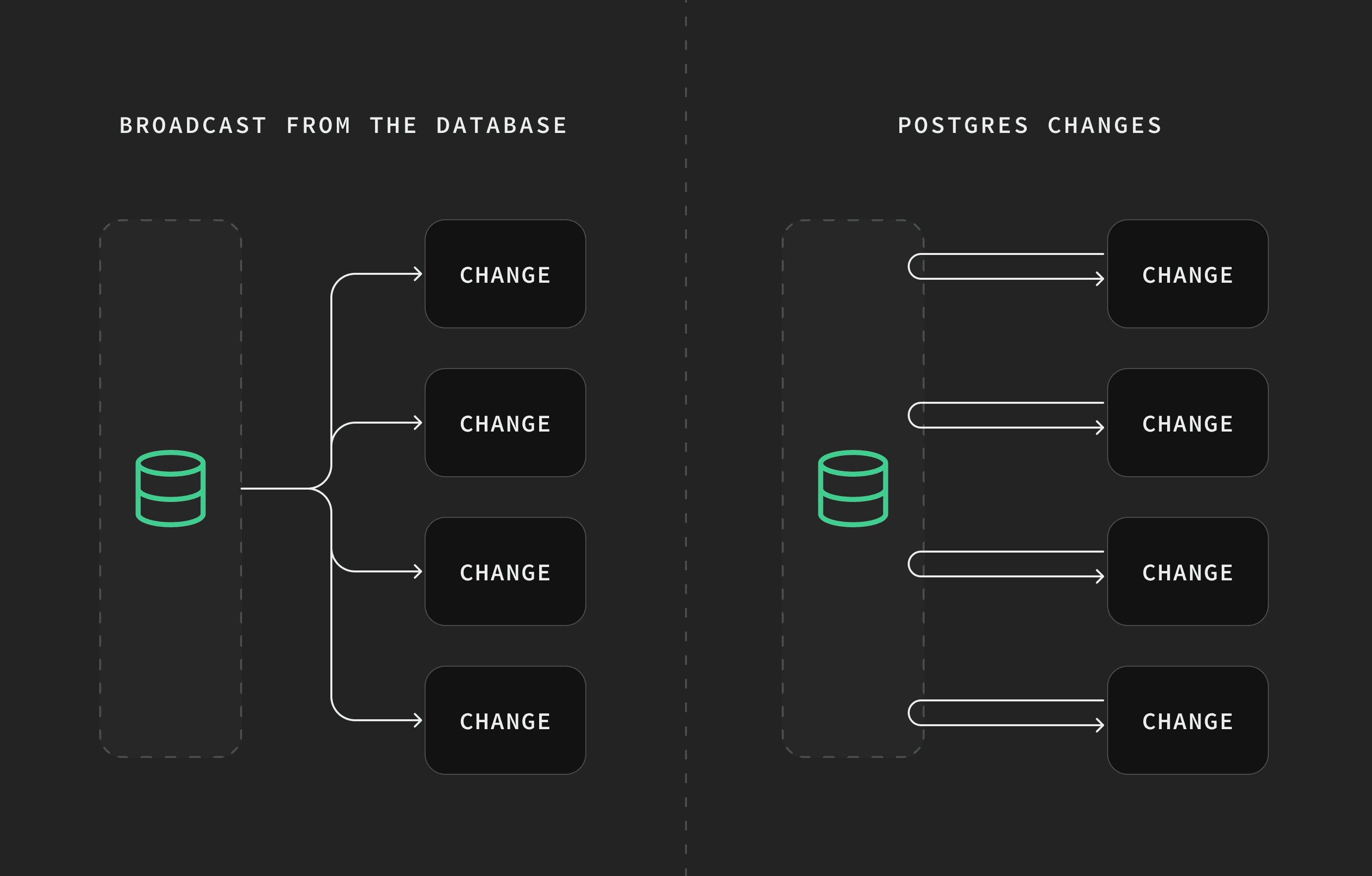
One of Supabase’s most powerful features is real-time data synchronization.
Imagine building:
A chat application
A live dashboard
A collaborative app
With traditional databases, you’d need complex WebSocket logic to handle real-time updates.
Supabase makes this incredibly simple.
Using PostgreSQL’s replication system, Supabase listens to Insert, Update, and Delete events and instantly pushes changes to the frontend.
As a developer, all you need to do is enable a subscription.
Supabase Pros and Cons at a Glance
Every technology has strengths and limitations. Let’s be honest about both.
✅ Pros
Open Source – Can be self-hosted if needed
SQL Friendly – Perfect for developers familiar with SQL
Edge Functions – Run serverless code close to users
Storage – Simple management of images, videos, and files
Scalable – Grows smoothly with your project
❌ Cons
Logging & Debugging – Slightly less intuitive than Firebase
Relational Structure – Schema-less use cases may feel restrictive
Smaller Community – Fewer tutorials compared to Firebase
Recommended Tech Stack for Production-Ready Projects
To get the best experience with Supabase, I recommend the following stack:
Frontend: Next.js (React)
Styling: Tailwind CSS
Animation: Framer Motion
Backend: Supabase (PostgreSQL + Auth + Storage)
State Management: TanStack Query (React Query)
This stack is modern, scalable, and production-ready.
Final Thoughts

If you’re a modern developer who wants to build fast without compromising quality, Supabase is an excellent choice.
It doesn’t just save development time—it gives you full control over your data while keeping things simple and elegant.
I’ve personally used Supabase in my portfolio projects, and its flexibility and developer experience played a huge role in making those projects scalable and professional.